
Meet the Majestic Boran
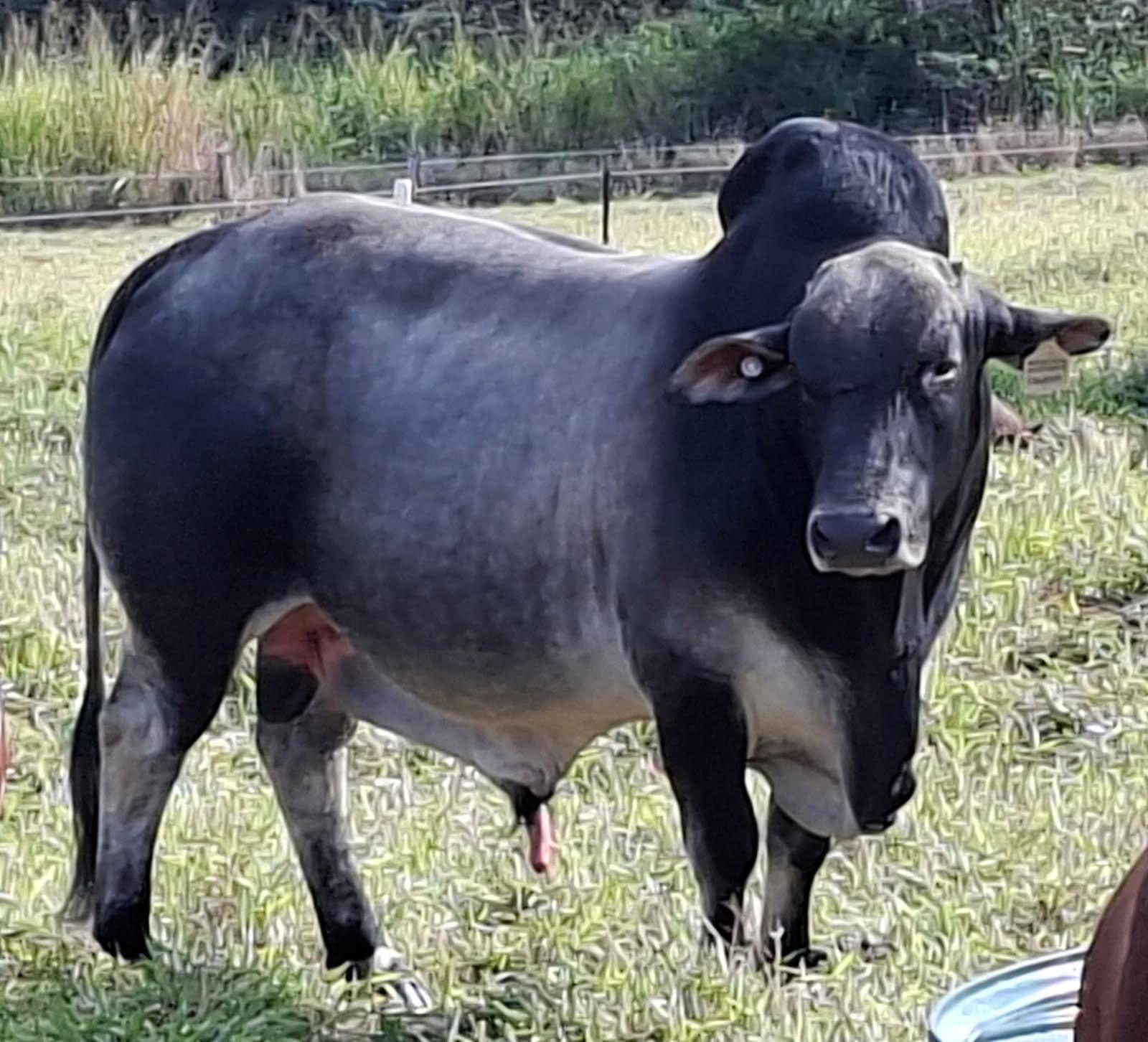
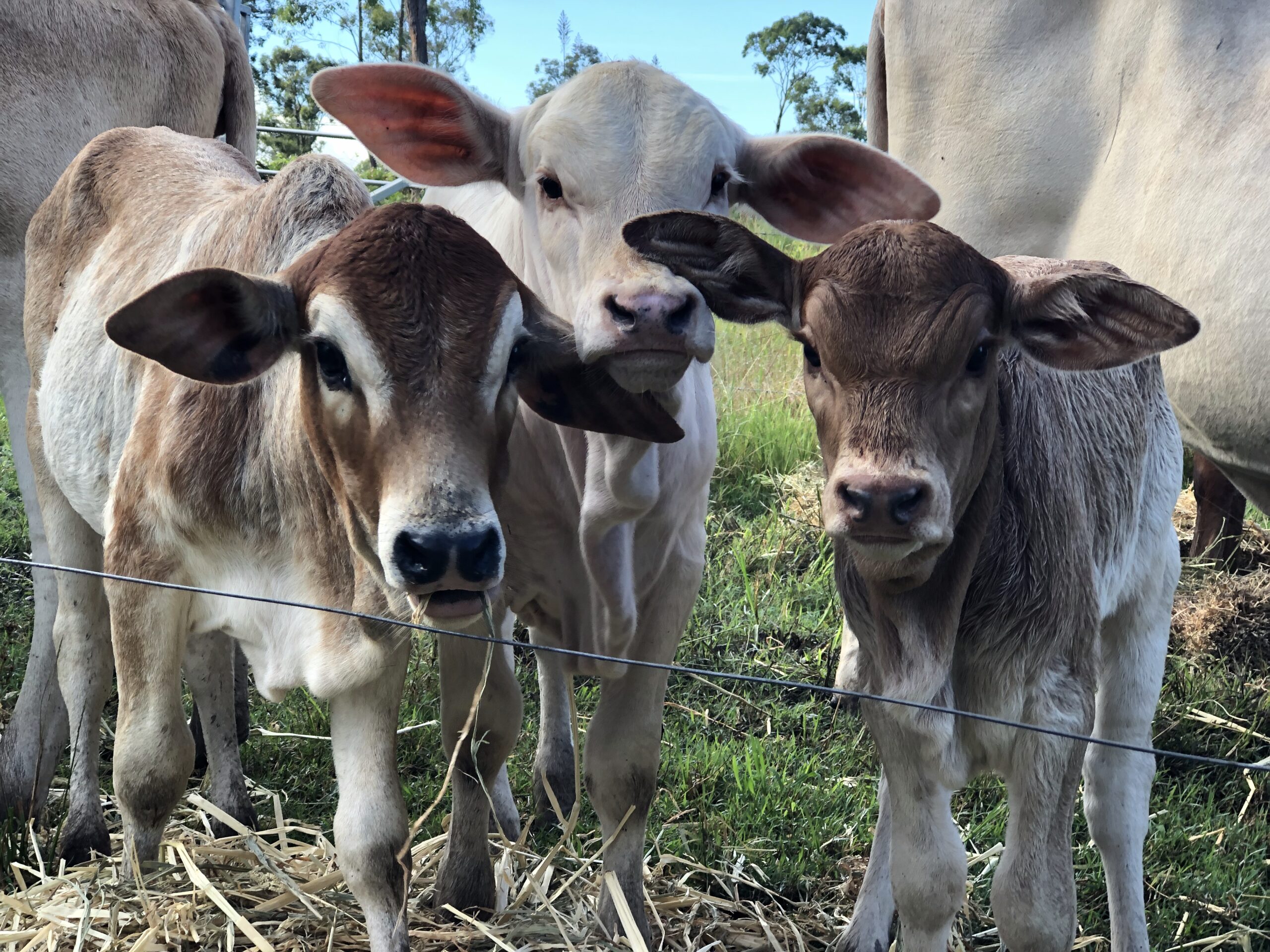
We breed Boran cattle in Wolvi, Queensland. They are raised in harsh Wallum coastal country on low-quality feed. Exposed to buffalo fly and ticks and as their African genetics predicts they are fully adapted. Explore the unique qualities of Boran cattle, a breed renowned for its fertility, resilience, adaptability, and superior genetics, now thriving in Australia.
Why Choose Boran Cattle?
Hardiness & Adaptability
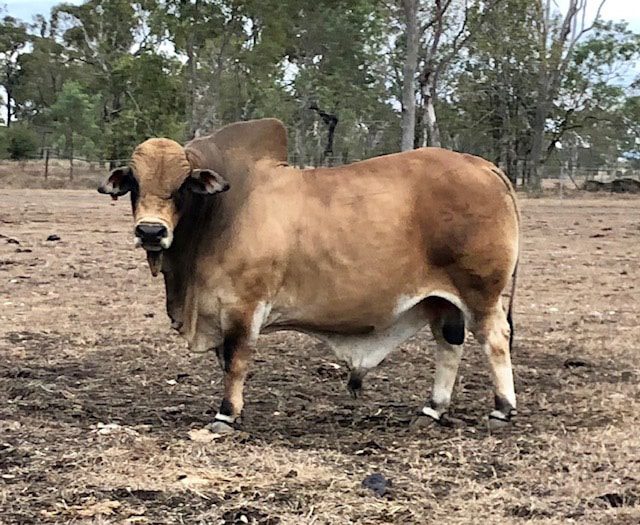
Heat Tolerance: Boran cattle are incredibly well-suited to hot, arid climates. Their large, loose skin, long ears, and efficient sweat glands help them regulate their body temperature, making them highly resistant to heat stress.
Disease Resistance: Boran cattle have developed strong immunity to common tropical diseases, especially those spread by ticks, such as tick-borne fever. Many cattlemen appreciate the breed’s natural resistance to diseases, reducing the need for extensive veterinary care and chemical treatments.
Fertility & Reproductive Efficiency
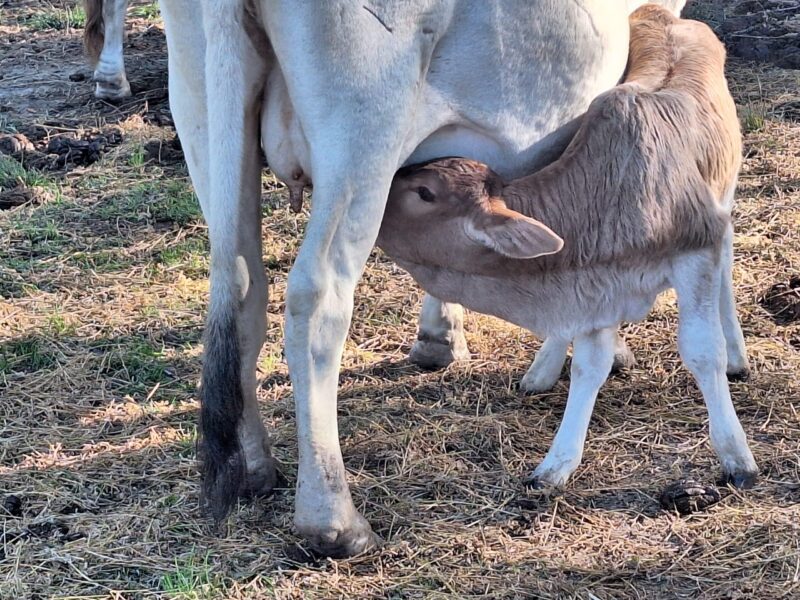
High Fertility: Boran cattle are known for their excellent fertility, with many breeders highlighting the breed’s ability to produce calves even under less-than-ideal conditions. They are early maturing, with cows reaching reproductive age quicker than many other breeds. This trait ensures consistent calf production, which is crucial for maintaining herd profitability.
Calving Ease: Many cattlemen report that Boran cows calve easily, with low incidences of dystocia (difficult births). This characteristic is a major advantage for cattlemen, as it reduces the need for intervention during calving.
Feed Efficiency & Low Maintenance
Efficient Feed Conversion: Boran cattle are known for their ability to thrive on low-quality forage and to convert roughage into body weight effectively. This trait makes them ideal for pasture-based systems, where feed availability can be unpredictable. Cattlemen in both arid, tropical and temperate zones find that Borans can maintain condition on poorer-quality pastures, which reduces feeding costs.
Low Maintenance: Borans are low-maintenance cattle, with few health issues and a strong natural ability to thrive in free-range and extensive grazing systems. This trait makes them less labor-intensive for ranchers, who appreciate that they do not require intensive management or special care.
Adaptability to Different Grazing Systems
Ideal for Extensive Systems: Cattlemen in large-scale operations, especially in Africa, Australia, and parts of South America, often prefer Boran cattle for extensive grazing systems. The breed can endure long distances of grazing and adapt to diverse pasture types. The Boran’s ability to traverse vast, challenging terrains and search for feed in difficult conditions makes it a reliable breed for expansive ranches.
Crossbreeding Success: Many cattlemen use Boran cattle in crossbreeding programs, particularly with British and European breeds, to introduce hardiness and disease resistance into their herds. Boran crosses are prized for their hybrid vigour, often showing better growth rates, fertility, and disease resistance than their purebred counterparts.
Carcass Quality and Beef Production
Quality Beef: While primarily known for their hardiness and adaptability, Boran cattle also produce good-quality beef. The meat is lean and tender, with favourable marbling, making it desirable in both local and international markets. Cattlemen who have incorporated Boran genetics into their herds often highlight that the breed contributes to producing beef that meets consumer demands for high-quality, lean cuts.
Carcass Yield: Cattlemen who focus on beef production note that Boran cattle yield a good proportion of high-quality meat in relation to their size. This makes them economically advantageous for beef farmers, especially when combined with efficient grazing and low-cost maintenance.
Market Demand and Economic Value
High Market Demand: In regions where Boran cattle are prevalent, there is strong demand for both purebred animals and crosses. Their meat quality and the breed’s robust genetic traits make them attractive to markets looking for disease-resistant cattle that are well-suited for low-input systems.
Economic Advantage: Cattlemen often cite the Boran’s ability to adapt to low-cost, low-input production systems as a major advantage. The breed’s minimal need for supplemental feeding, its disease resistance, and its long productive life all contribute to the economic viability of Boran cattle farming.
Resilience and Temperament
Docile Temperament: Boran cattle are typically calm and docile, making them easy to handle compared to some other breeds. Their temperament is a positive trait for cattlemen, as it reduces the risk of handling injuries and makes them easier to manage in both pastoral and intensive systems.
Resilient Nature: Cattlemen often describe Borans as resilient animals that are capable of surviving difficult conditions, whether it’s extreme heat, drought, or sparse grazing. This resilience ensures that the breed can thrive in regions where other cattle breeds may struggle to adapt.
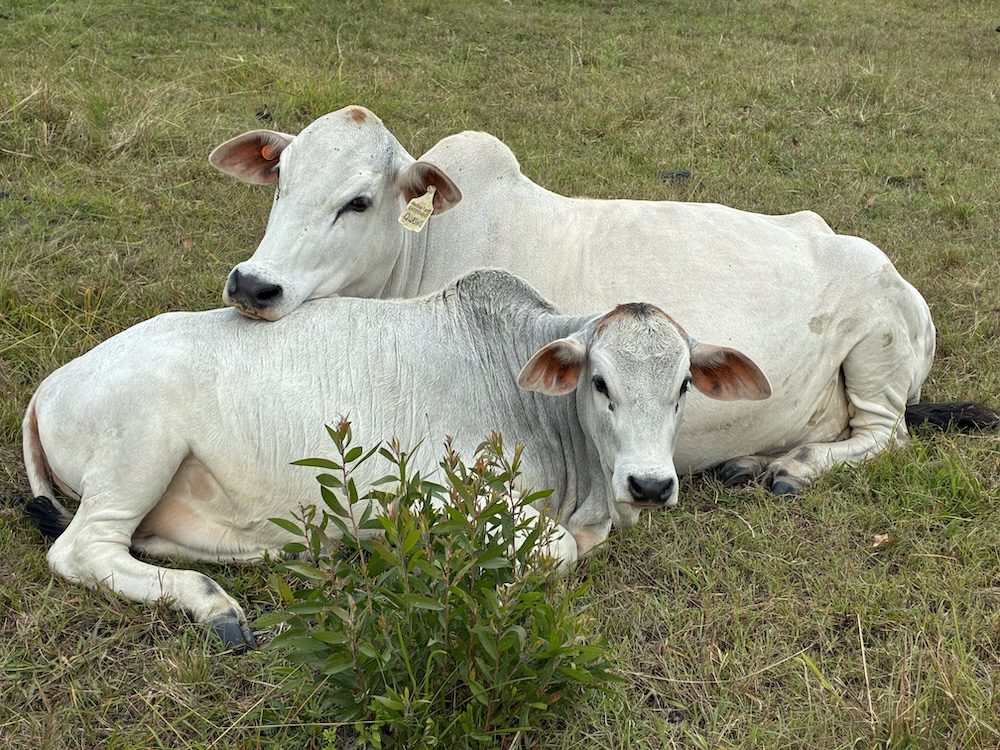
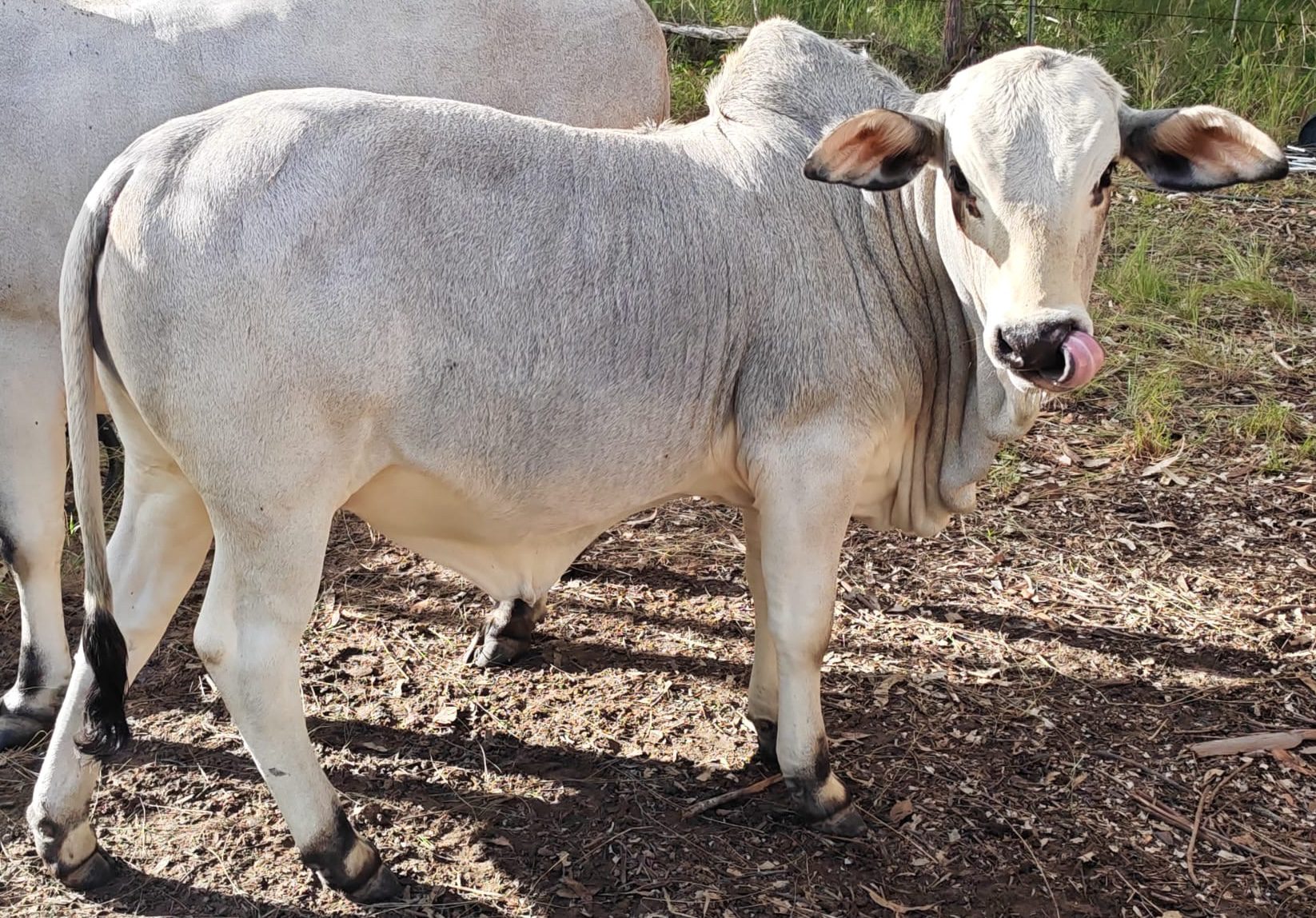
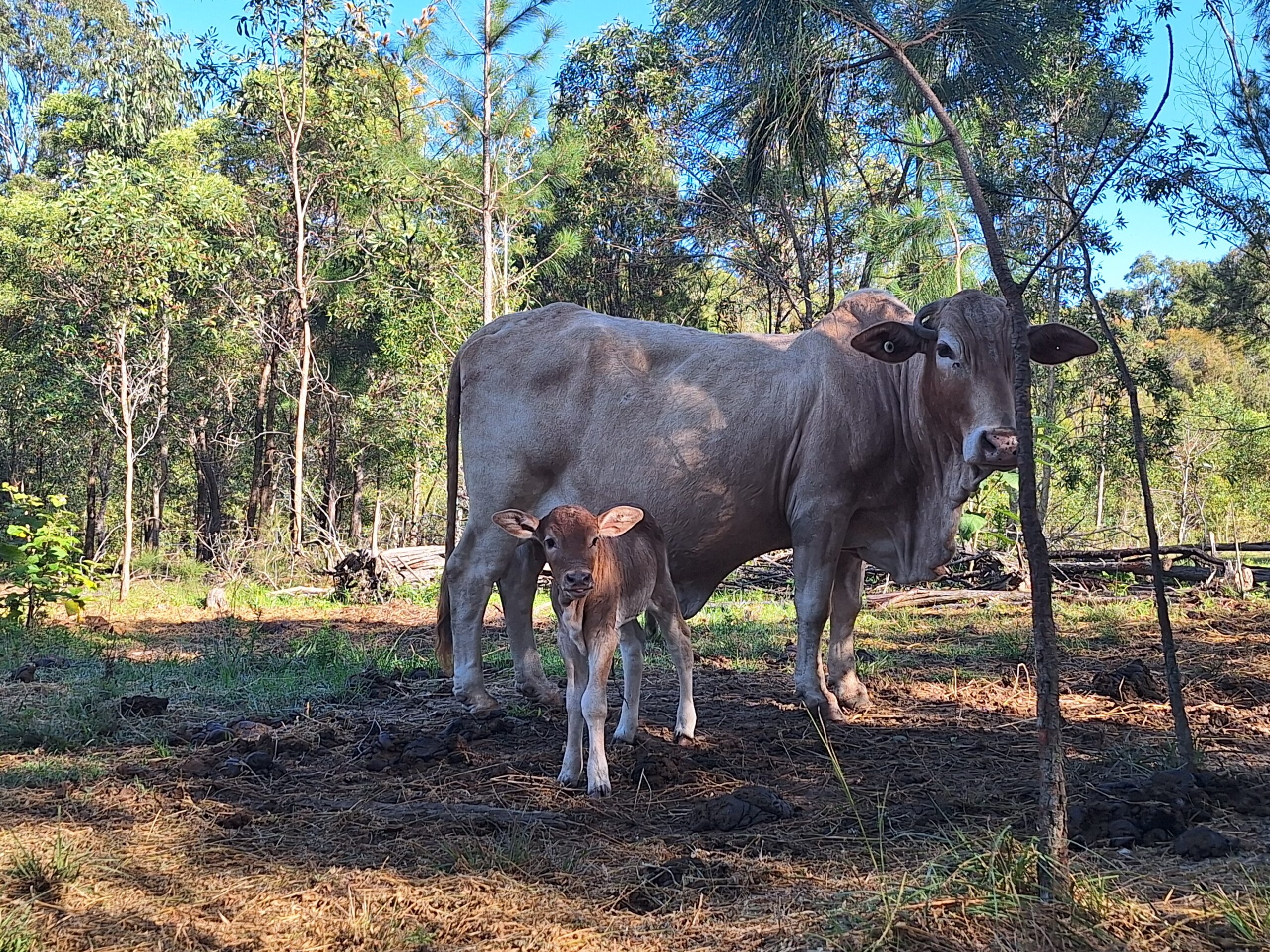
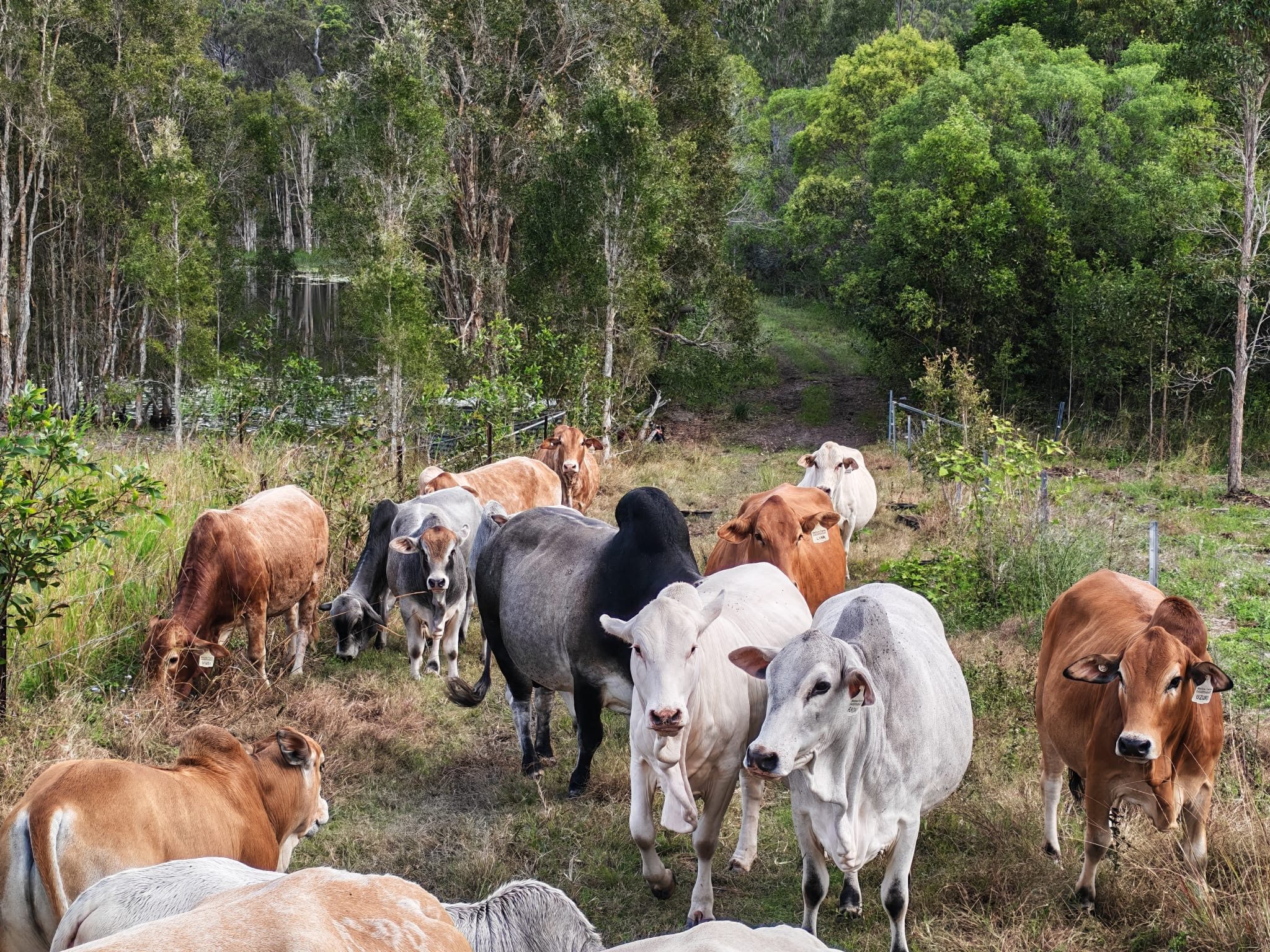
Explore Our Boran Gallery
Discover the Boran Advantage
Unlock the potential of Boran cattle for your farm. Dive deeper into their unique qualities and see how they can transform your livestock operations. Reach out to us for detailed insights and personalised advice.