
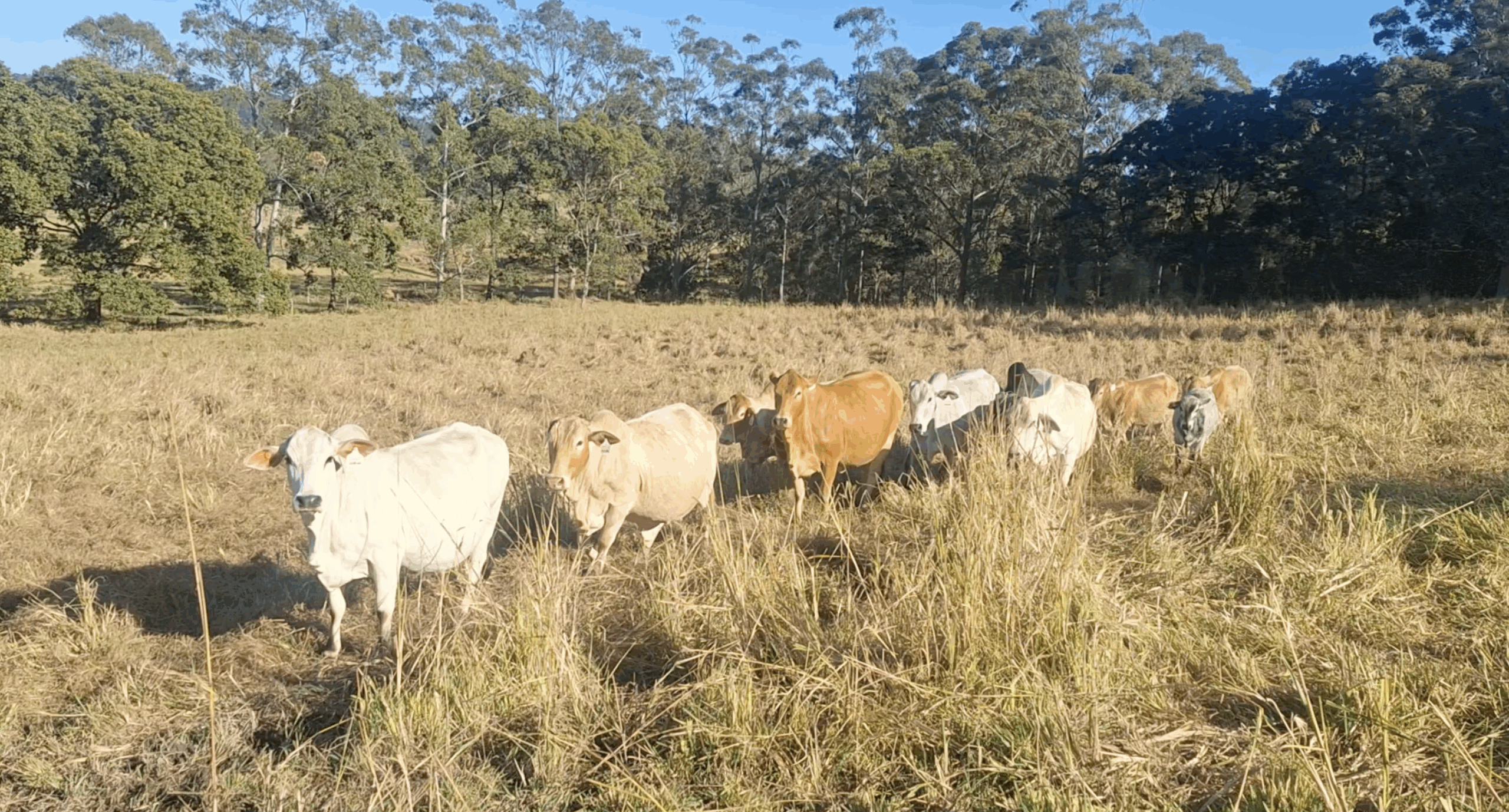
You really get to know a breed when it’s 40 degrees, the wind’s hot, and the grass is crispy.
That’s Boran country.
Across East Africa, Boran were shaped in places where heat isn’t a bad day — it’s the norm. Long dry seasons. Hard ground. Parasites. Big distances between water. And the story you hear again and again from breeders is simple:
“When the other cattle are standing in the shade panting, the Boran are still grazing.”
It’s not magic. It’s adaptation.
A major systematic review/meta-analysis in PLOS ONE pulls together decades of published data and concludes Boran cattle have the ability to survive, produce, and reproduce under high ambient temperatures. To view the study click here
Stud breeders talk about:
• Short, glossy coats that shed heat
• Loose, active skin
• Cows that keep cycling when it’s hot
• Herds that stay functional in tough seasons
Large ranches in semi-arid Kenya have run and performance-recorded Boran for decades under real commercial pressure. They’re not pampered cattle — they’re working cattle. To read more click here
Here in Australia, producers running Boran & Boran cross cattle often say the same things:
• Cows hold condition longer in dry spells
• Fertility doesn’t fall apart in summer
• Calves are up and going
• Less “melt” when the season turns
Of course, management matters. Every breed still needs good operators.
But when heat is your limiting factor, genetics matter even more. Boran weren’t developed in comfort. They were shaped by survival. And when the thermometer climbs, that’s when you see the difference. If heat is part of your system, Boran belong in your breeding plan.
For more information or enquiries contact us